My Time in Praxis: Modules, Growth, and Gratitude
Hello readers and fellow Praxians! Now that I have completed the Praxis program, I wanted to share an overview of the process and what I learned.
The Structure
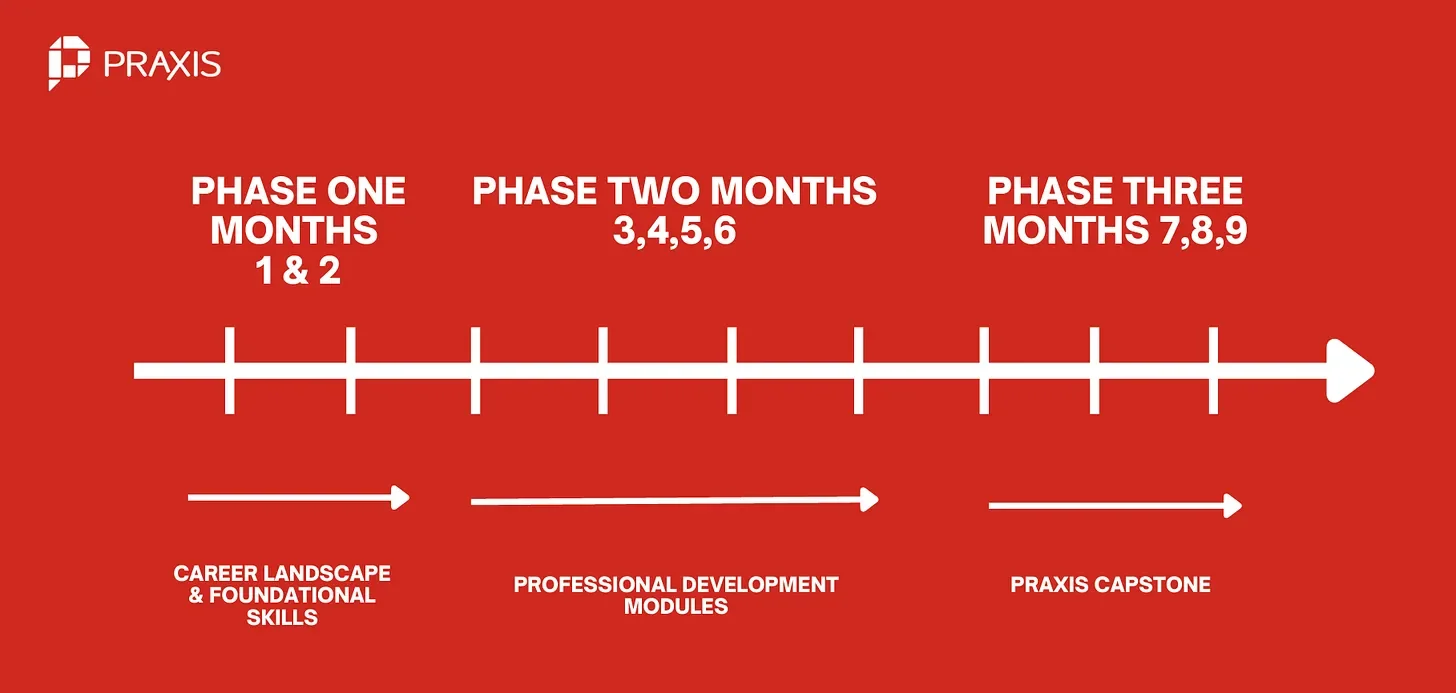
A quick refresher on how the program was structured. Phase 1 was 8 weeks and covered foundational skills. Phase 2 was 1 module per month, and Phase 3 was the capstone.
Sep 2024: Phase 1
The first edition of this newsletter was during week 3 of the program. I discussed the planning and task management tools we learned about and the first book we read, Mastery by Robert Greene (read the newsletter).
Reading Highlights from Phase 1:
The first book my cohort read was The Concise Mastery by Robert Greene, which examines what it means to achieve mastery, breaking the process down into distinct stages and strategies. One of my favorite aspects of the book was how Greene began each chapter with a story about a historical figure considered a master of their craft. This provided real-life examples of the strategies he was explaining. The book frequently highlighted the importance of staying open-minded and always striving for improvement and had many philosophical ideas on becoming a master.
In contrast, the second book we read, Atomic Habits by James Clear, is more direct and practical. This book offered insights into how we form and sustain habits and why we struggle with others. Clear's many examples and anecdotes illustrate the psychology behind habits, and I especially appreciated the 4 laws he explained for forming new habits or breaking old ones. These provide a roadmap that can be applied to any new behavior.
Praxis also sent us an optional book called Show Your Work! by Austin Kleon. I found the book to be incredibly useful, and I have already tried some of his techniques. Kleon emphasizes the value of sharing your work as you're learning rather than waiting until it's perfected. He offers insights on what aspects of a project to share and how to present them effectively so that others find it both interesting and useful. The book is a shorter read with many engaging graphs and illustrations, which makes it overall an extremely entertaining and fast read.
Check out a full summary of phase 1 here.
Phase 2: The Modules
I got to choose which modules I did and in what order. There was also the option of creating a custom module if you had something specific you wanted to learn. My first choice of module?
Nov 2024: Content Marketing
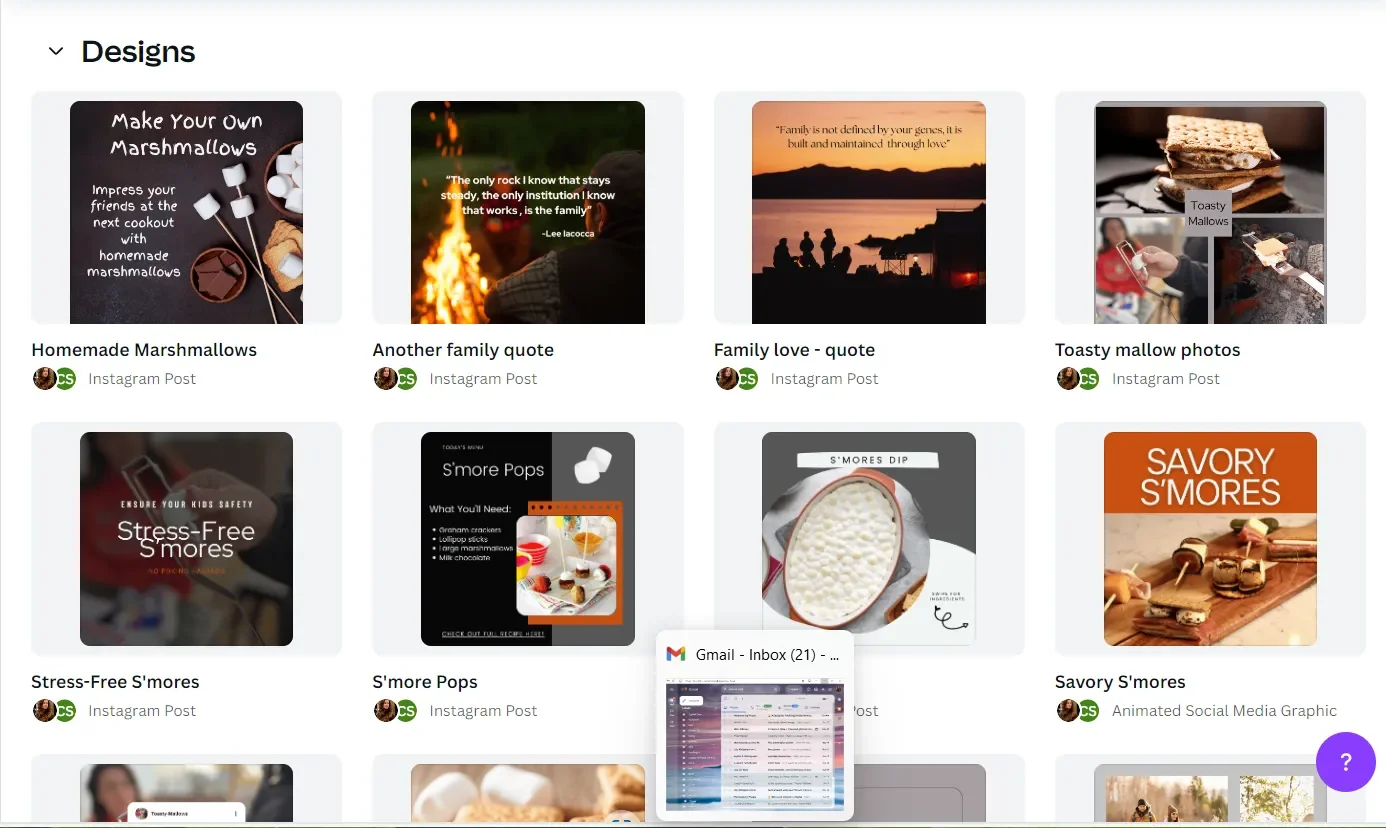
The first module I did was "Content Marketing." I created things like a landing page, a social media campaign, and an email campaign.
Social Media Campaign Skills I Practiced
Creating a social media campaign with a common theme
Designing on Canva
Identifying an audience
Making posts visually appealing
Providing value through content
What I would do differently
Use more brand-specific images
Include more video posts for variety
Full Content Marketing module here.
Dec 2024: Copywriting
The next module was "Copywriting." Once you can distinguish good from bad copy, the next step is learning to write it yourself. These tips and guidelines helped me along the way:
Dave Gerhardt’s Laws of Copywriting
"You must learn how people make decisions." Understand when to appeal to the rational versus the emotional side of the brain. Identify the specific need your product fulfills.
"You must uncover the selfish benefit." People care about what your product can do for them, not the product itself. Highlight the value you offer.
"You must learn how to tell a great story." Start with a story to capture attention and engage readers.
Full breakdown of Copywriting modules here.
Jan 2025: Marketing Growth and Analytics
One of my favorite projects from this module was creating a 6-Step Growth Strategy (details on all 6 steps).
Step 1 - Get to Know the Business
Step 2 - Set up Optimization Priorities and Constraints
Step 3 - Select Two Acquisition Channels
Step 4 - Growth Hypothesis
Step 5 - Prioritize Ideas Using RICE
Step 6 - Summary of Idea
What is Growth?
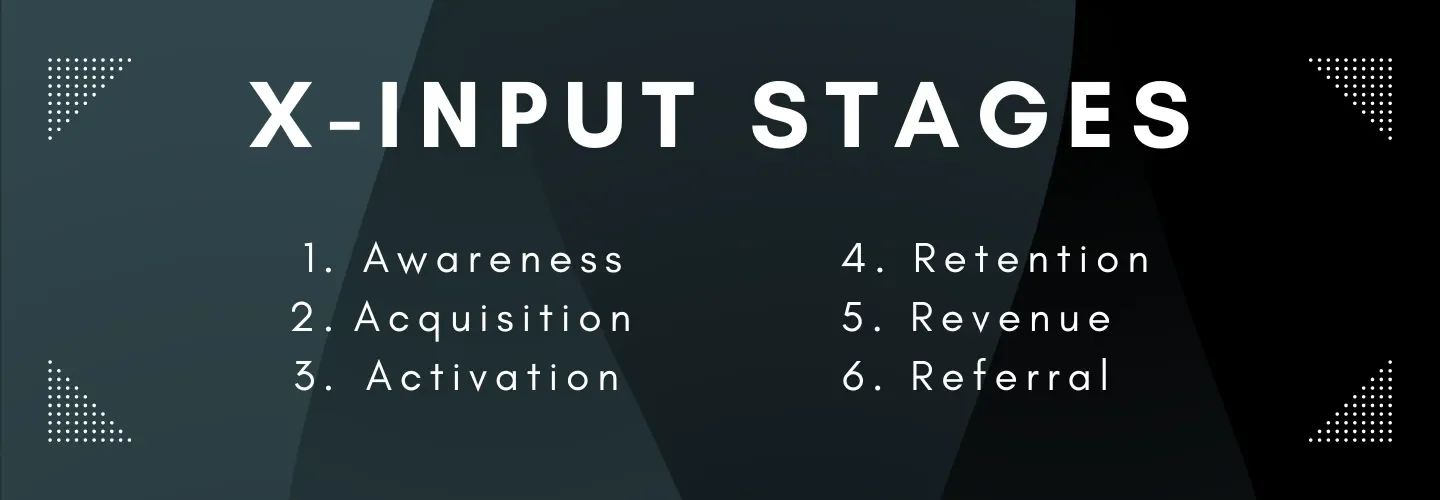
It is important to understand what makes a business grow over time. The formula for understanding growth is:
F(X) = Y, where Function (X input) produces Y output.
Y = Value of the product <> how people pay you.
X breaks down into the following stages:
Full breakdown of the module here.
Feb 2025: Job Hunting
During the "Job Hunting" module, I learned about strategies and started the process of actually applying to positions. Some newsletters that highlight what I learned:
How a Gorilla Helped My Career: About how mindset can affect the job hunt through inattentional blindness.
Showcasing Your Value: The importance of value and creating value propositions, personal brand, and a personal monopoly.
Phase 3: Captone
The Capstone was the program's final phase, where we created our projects to develop new skills. The projects I chose to work on:
SEO course: learning the basics of SEO, common problems, and how to solve them.
Meta Ads and A/B Testing: created Meta ads for Root 58 Greenhouse and learned how to do A/B testing.
April 9th: Capstone switched from the project to focusing on my new position with OpenEd!
Full Captone breakdown here.
Some of My Favorite Newsletters
A/B Testing and Thinking in Bets: “Thinking in Bets by Annie Duke is a book about ‘making smarter decisions when you don’t have all the facts.’ Annie explains how people often conflate their best decisions with the best results and their worst decisions with disastrous outcomes. If life were like chess, this would make sense. However, Annie suggests that life is more like poker, where even the statistically best decision can still lead to an unlucky result.”
The Psychology of Storytelling: Why Stories Sell: “People often make decisions based on emotions and back them up with rationale. Since emotions are processed faster, it’s more effective to start with a story and follow with facts and figures.”
Storytime! Behind the scenes of getting my position at OpenEd.
Special Thanks
Brandy Drzymkowski: As my mentor, she was one of the people I worked with the most. She always checked in and made sure I was reflecting and pursuing something I was interested in. She always had helpful feedback and guidance, and I learned an immense amount from our calls together. Thank you!
Ryan Ferguson: As our program director, Ryan ran most of our weekly calls and workshops. I loved hearing his input during our reading discussions and his thought-provoking questions. He was always willing to help and guide anyone who asked. Thank you!
My Peers and Cohort: It was amazing to meet so many people with completely different goals and skills in the program. Seeing everyone's work and hearing their feedback added a lot of value to the program. I got to meet Lily, Avelia, and Matthew in person at the last meetup, and I'm hoping to see more at the next one!
Thank you to all of the Praxis team and alumni who shaped my experience during the program. I am so grateful to be part of this community!
